
Beyond the Post-Pandemic Dip: The New Reality for Big Alcohol
Topic Category: Alcohol Economics
The global alcohol industry, once considered one of the most resilient "defensive" sectors in finance, is currently navigating its most significant structural shift in a century. As of mid-2026, the narrative has moved beyond a simple "post-pandemic dip" into what analysts are calling a permanent alteration of the global social fabric.
The State of the Industry: A "K-Shaped" Decline
The industry is currently defined by a stark divergence in performance across different demographics and regions. While total market volume has seen a multi-year decline, market value has remained deceptively resilient in certain sectors due to aggressive pricing.
The Headwinds
The Sober Curiosity Movement: Generation Z and younger Millennials are consuming significantly less alcohol than previous generations. Health consciousness, the rise of "wellness" culture, and the social stigma of public intoxication in a digital age have turned moderation into a status symbol.
The GLP-1 Factor: The mass adoption of weight-loss drugs (like semaglutide) has had a secondary effect: a noted reduction in cravings for addictive substances, including alcohol. Early 2026 data shows a measurable drop in alcohol spending among households using these medications.
Macroeconomic Pressure: Years of "greedflation" and rising production costs (glass, energy, and logistics) have permanently eroded discretionary income. In the "Global South" and Eastern Europe, consumers are "downtrading" from premium labels to high-efficiency value brands (e.g., high-ABV lagers).
Strategic Imperatives for "Big Alcohol"
To survive this structural contraction, major conglomerates like Diageo, Pernod Ricard, and AB InBev are being forced to rewrite their playbooks.
1. Pivot to "Affordable Wellness"
Companies must stop viewing No-and-Low (NoLo) alcohol as a niche sub-category and start viewing it as their future core business.
Zero-Sugar & Functional: Integration of electrolytes, adaptogens, or vitamins into non-alcoholic versions of flagship brands.
Malt Beverages: Capitalizing on the rapid growth of 0.0% malt beverages in regions with religious or cultural restrictions, such as the Middle East and Southeast Asia.
2. Efficiency Over Volume
In mature markets, the goal is no longer to sell more units but to extract more value from every unit sold.
Premiumization: Focusing on "Prestige and Above" spirits where margins are highest, catering to the financially insulated "Top of the K."
Manufacturing Arbitrage: Shifting production from high-cost Western hubs to high-efficiency Asian OEMs (Original Equipment Manufacturers) to protect margins against 20-30% spikes in packaging and energy costs.
3. Geographical Redistribution
Growth is shifting from the West and China toward emerging markets. India, Brazil, and Mexico are seeing volume growth as urbanization and rising disposable incomes bring millions of new consumers into the market for the first time.
Light at the End of the Tunnel: The Case for Optimism
Despite the "doom and gloom" headlines, several factors suggest the industry is not dying, but evolving into a more sustainable and diverse ecosystem.
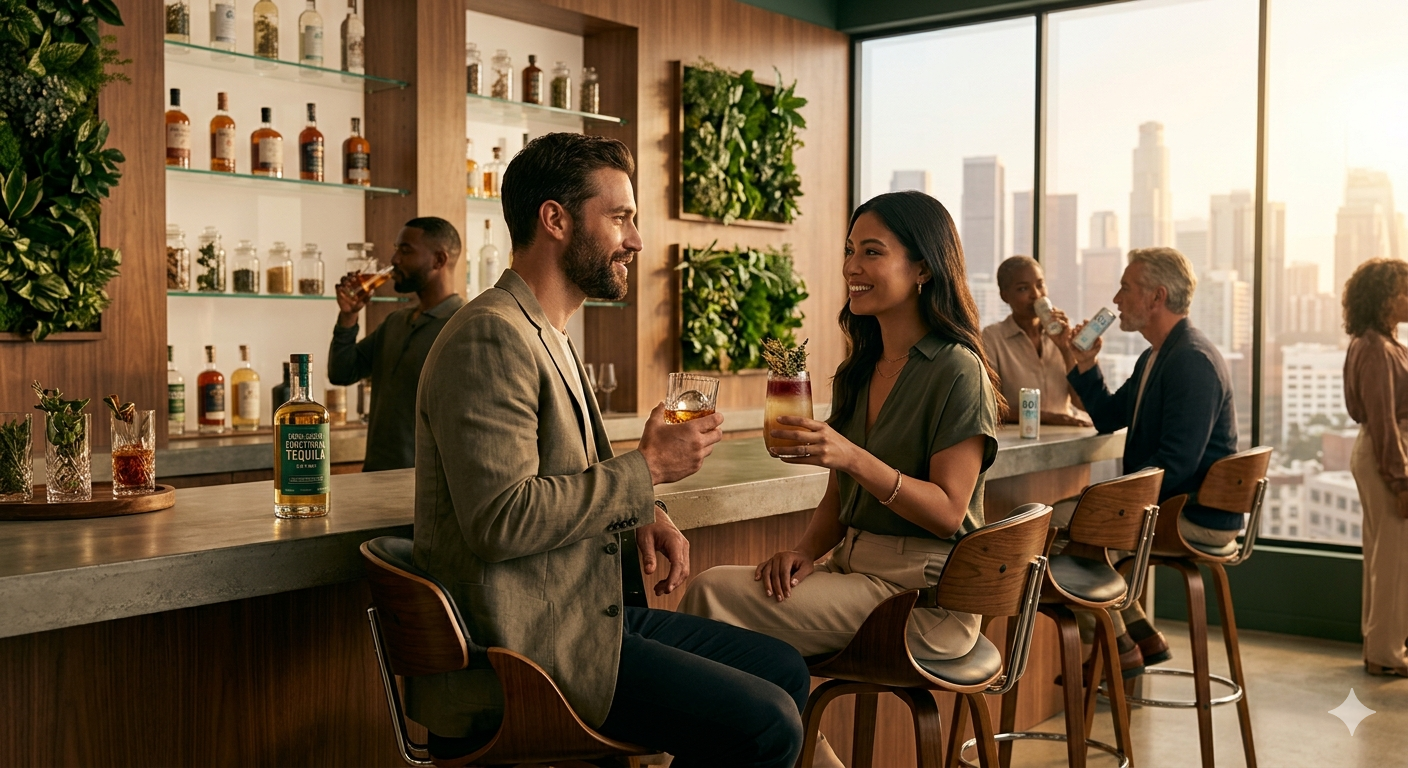
The "Experience" Economy: While people are drinking less at home, they are spending more on "experience-based" drinking—tastings, distillery tours, and high-end cocktail bars. Quality is replacing quantity.
Digital Integration & E-commerce: The rapid democratization of alcohol delivery and online-exclusive craft brands has lowered the barrier for innovative startups to bypass traditional distribution "gatekeepers," keeping the industry vibrant and competitive.
The "Social Inclusion" Rebrand: By successfully marketing NoLo products, alcohol companies are reclaiming a massive "lost" audience—the designated drivers, the health-conscious, and the elderly—who previously would have ordered water or soda, thereby expanding the total "social drinking occasion" market.
Key Statistic: More than $830 billion in market value has evaporated from the world's largest alcohol producers since 2021. This "correction" is forcing a level of innovation and discipline not seen since the end of Prohibition.

@MasterLui_
